
Understanding your Insurance Claims Process
What to expect From your insurance claims process
The Insurance Claims Process Made Easy
What To expect when filing your storm damage claim
A roofing insurance claim follows a defined sequence: you file the claim, your carrier sends an adjuster to inspect the damage, they issue a scope of loss, a contractor reviews that scope and supplements any items that were missed, the insurance carrier approves the revised scope, the work gets scheduled and completed, and depreciation is released once the job is done. The process sounds complicated because most homeowners go through it once. A contractor with genuine claim experience navigates most of it on your behalf.
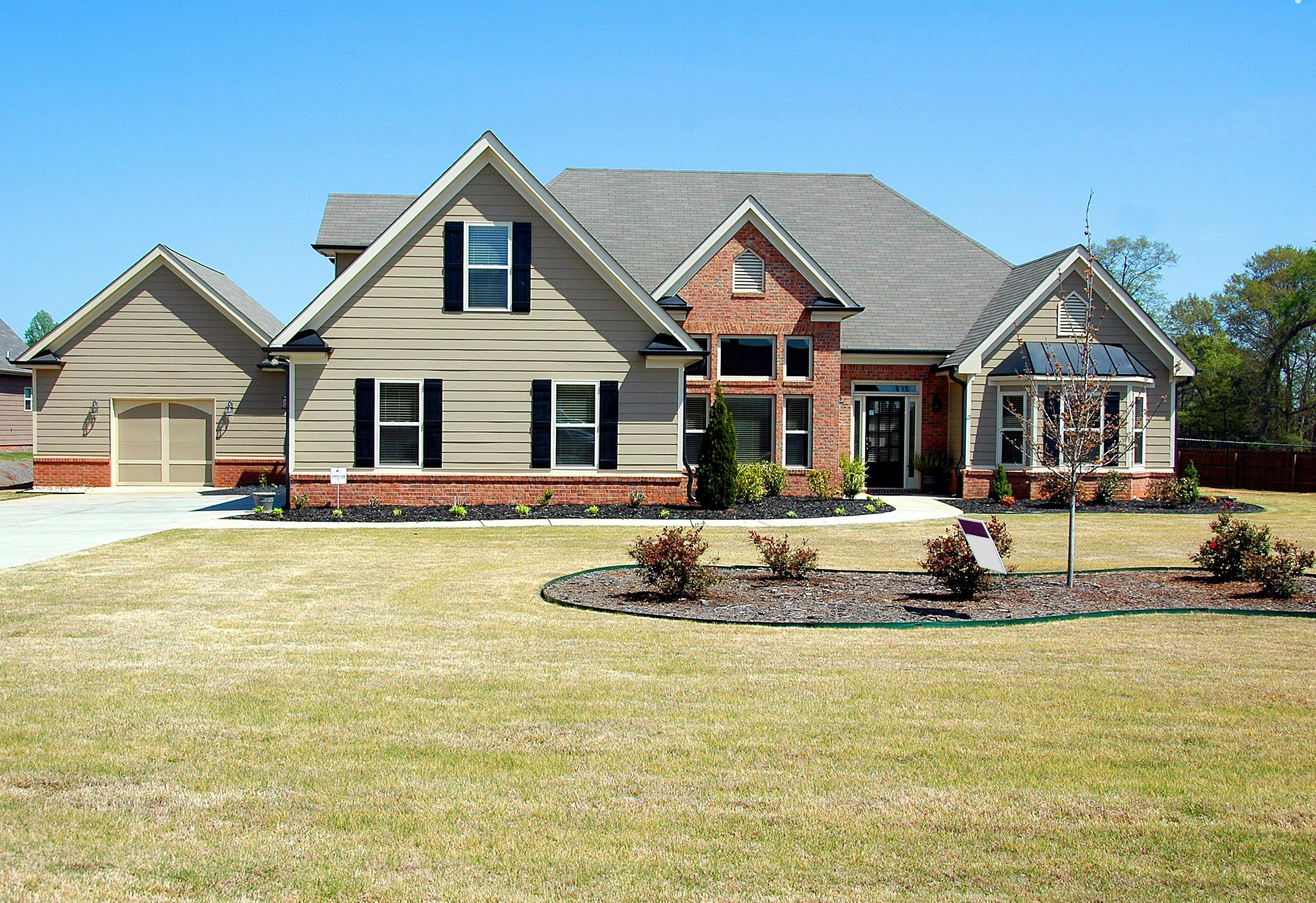
Stronger Homes across central MN and Western WI
Roofing Solutions Built to Last
Clear Communication From Start to Finish: A roof should do more than look good from the street. We focus on roofing systems designed to handle Minnesota weather year after year while helping reduce long-term repair costs.
Roofing Solutions That Age Better Over Time: Small details during installation can have a big impact years later. Our process focuses on preventing common problems like premature shingle wear, moisture buildup, and ventilation issues before they start.
Quality That Starts Before Installation Begins: Even the best roofing materials can fail early if installed incorrectly. Proper ventilation, flashing, underlayment, and drainage all play a major role in how long a roof lasts.
Filing Your Insurance Claim, Step-By-Step
From Initial Inspection to Final Payment: What To Expect
After you've been impacted by a storm event, it's easy for the process to feel overwhelming. This guide is meant to serve as a resource to help you feel confident as you navigate your claims process.
The best first step is to schedule a complete roof inspection, to determine if your home even has enough damage to warrant a claim. If sufficient damage is found, it's time to contact your insurance. They will assign a claim number and schedule an adjuster inspection. You do not need to have a contractor on site for the adjuster visit, but having one present who can walk the adjuster through documented damage is often the difference between a complete scope of loss and one that misses line items. From there, your responsibility is largely complete, an expert roofing contractor should be able to walk you through supplementation, material selection, and payment schedule from there!
1. Filing Your Claim
Once a trusted, local contractor has determined you have enough damage to support filing a claim, you will contact your insurance carrier to report storm damage. They will ask you for the date of loss (storm date) and assign a claim number before scheduling an adjuster inspection. This may take 3-4 business days to hear back on a time and date for your adjuster meeting, but we recommend you let your contractor know so they can be present at that time.
2. Adjuster Meeting: What really happens
The adjuster is employed by or contracted to your insurance carrier. Their job is to document covered damage and issue a scope of loss. Adjusters work multiple claims in a day and do not always catch every damaged component. Common items that get missed include pipe boots, flashing, gutters, and ventilation components that sustained impact damage. A contractor reviewing the scope after the adjuster visit can identify and document these omissions for a later step, supplementing.
3. Initial Scope Of Loss
Within a week of your initial adjuster meeting, you should get a scope of loss document from your carrier that lists covered items, quantities, and unit costs. This document also includes an actual cash value and a replacement cost value. The difference between these two numbers is depreciation, which gets held back until the work is completed. Review this document with your contractor to confirm everything damaged is included.
4. Supplementation and Material selection
If the initial scope of loss is insufficient, your contractor can submit a supplement to the insurance carrier documenting the missing damage with photographs and scope documentation. Insurance carriers process supplements routinely. A contractor unfamiliar with this process will tell you the adjuster's scope is final, and could leave you paying out of pocket for coverage you are rightfully owed. This is also where you get to decide on your new materials!
5. Scheduling and Installation
Once the scope is agreed upon, you authorize the work and the project is scheduled. Most carriers send an initial payment at this point representing the actual cash value. The depreciation holdback is released once the completed job is documented and submitted to the carrier. We will find a time that fits your schedule, and walk you through how to prepare for your roof replacement.
6. Completion and release of depreciation
After the work is complete, the contractor submits final documentation to your carrier including photographs of the completed installation. The carrier releases the depreciation holdback, and the job closes. Your only out-of-pocket cost is your deductible.
What this means for you
How timber exteriors approaches roof replacements
ways we can help:
Provide A Thorough 16-Point Inspection: It’s almost impossible to spot most roofing problems from the ground. Our team walks the entire property, including the attic, to fully inspect the roof, identify any potential risks, and understand the full scope of your property.
Detailed Reporting & Documentation: We capture detailed photos and compile them into a clear report. After the inspection, we explain our findings in simple terms and walk through repair and replacement options so homeowners can make informed decisions without pressure.
Project Planning & Communication: Before work begins, we review timelines, materials, scheduling, and project expectations so homeowners always know what comes next during the process.
Final Walk-Through & Ongoing Support: Once the project is complete, we perform a final walkthrough, answer any remaining questions, and remain available for future support and maintenance needs.
FAQs
Questions to Ask Before Calling
Will filing a roof insurance claim raise my premiums?
A single weather-related claim typically has minimal impact on premiums in Minnesota. Carriers distinguish between claims caused by homeowner negligence and claims caused by covered weather events. Weather claims are the reason insurance exists. Consult your specific carrier for how they handle claim history.
How long does the insurance claim process take?
From filing to final payment, a straightforward claim with no supplementing typically takes four to eight weeks. Claims that require supplementing for missed items take longer depending on how quickly the carrier processes the additional documentation. Scheduling the work itself depends on contractor availability after the scope is approved.
What happens if insurance denies my claim?
Partial insurance denials or overlooked damage are both very common in our industry. Don't worry! If your claim is denied, it is not the end of the road. Your dedicated Timber Exteriors representative will sit down with you, review the adjuster's itemized report, and clearly outline our next steps.
Our Service areas
Stronger Homes. Stronger COmmunities.
Blaine MN
Anoka MN
Andover MN
Circle Pines MN
St. Paul MN
Twin Cities MN
Ham Lake MN
Roseville MN
Fridley MN
Spring Lake Park MN
Arden Hills MN
Hudson WI
Eau Claire WI


Timber exteriors delivers high-quality roofing, siding, windows, gutters, and storm damage restoration for homeowners throughout coon rapids and the surrounding Twin Cities.
© Copyright 2026. Timber Exteriors . All Rights Reserved.