Expert Siding Contractor
Siding Repair or Replacement: What to Know, Including Color Matching
Siding Services In coon rapids MN
Siding Repair or Replacement: What Coon Rapids Homeowners Should Know
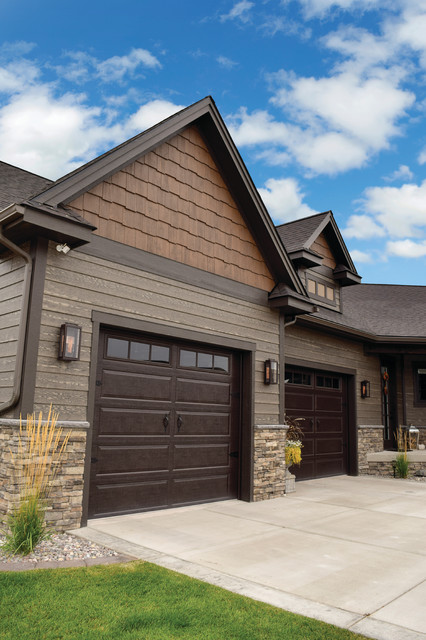
Siding repair is the right call when the damage is truly isolated, the surrounding material is in good condition, and a color match is achievable. Full replacement makes more sense when damage is widespread, the material has reached the end of its lifespan, or a visible color match on a partial repair is not realistic. Color matching on aged siding is one of the most common reasons what looks like a straightforward repair turns into a more involved conversation.
Questions Your Neighbors Are Asking
When Repair Is the Right Answer
A single panel or small section damaged by a specific impact or isolated moisture issue on an otherwise sound home is a legitimate repair candidate. The surrounding material should be in reasonable condition without widespread fading, brittleness, or failure at fastener points. The repair scope should be fully addressable without leaving a visible seam or aesthetic mismatch that affects the home's appearance.
The Color Matching Problem
This is the variable that turns more siding repair conversations into replacement conversations than any other. Siding fades with UV exposure over years, and the fade is not consistent across a home. South-facing exposures fade faster than north-facing. The shade of a panel installed today against panels from ten years ago is rarely a perfect match, even if it is the same product from the same manufacturer. Manufacturers also periodically discontinue colors or shift formulations. A contractor who gives you an honest assessment of whether a match is achievable before quoting a repair is doing you a genuine service. One who promises a perfect match on aged siding without close evaluation is not.
When Full Replacement Is the More Honest Recommendation
Siding that is brittle and cracking in multiple areas, showing widespread moisture damage or rot behind the panels, has faded to the point where any repair will be visible, or is a discontinued product line is a replacement situation regardless of how localized the specific damage is. Replacing a panel in a sea of deteriorating material extends nothing meaningful.
Storm Damage and the Insurance Variable
When a storm event is involved, insurance often makes full replacement the more economically rational path even when partial repair would technically address the visible damage. If hail or wind has affected the full exterior, the adjuster scope may cover replacement, which means choosing a repair means paying out of pocket for something you could have covered. An inspection to document the full extent of storm-related damage should happen before the repair vs. replacement decision is made.
WHAT THIS MEANS FOR YOU
How to Approach the Decision
Before committing to a repair, ask your contractor specifically about color match and get their honest assessment of how detectable the repair will be once complete. If storm damage is involved, get a full inspection before deciding on scope. The repair vs. replacement question almost always has a cleaner answer once the full picture of what is damaged and what the color situation looks like is on the table.
HOW TIMBER EXTERIORS APPROACHES THIS
We assess color match honestly before quoting any partial repair. If a match is not achievable, we tell you before you commit to a scope that will leave a visible result. We do not recommend full replacement to avoid a hard color conversation. We recommend it when it is genuinely the right answer.
What To Expect
Why Homeowners Choose Timber For their siding Projects
A siding project is a significant decision for your home. You are not just changing how it looks from the street. You are improving how it performs, how it holds up through Minnesota weather, and how it feels every time you pull into the driveway. Our process is designed around clarity, clean execution, and a finished exterior that feels intentional from every angle. Here is what you can expect when you work with Timber Exteriors:
Our Promise To You:
Constant Communication From Day 1: You are never left guessing what is happening on your project. Your point of communication stays consistent so you always know the current stage, what is coming next, and how the timeline is progressing. If anything changes you hear it first, directly and clearly.
Your Home Is Treated With Respect: Your property is protected throughout the entire process, from setup to cleanup. The job site stays organized, and attention is given to minimizing disruption around your home while work is being completed.
Professional Design Guidance: If you are unsure about colors, styles, or material options, you get straightforward input based on what actually works on homes in this area. Our goal is an updated exterior that balances modern and timeless, leaving you with the home of your dreams.
Long-Term Support: Our approach is centered on building an exterior that holds up over time rather than a quick cosmetic update. Every decision is made with durability, performance, and long term appearance in mind.
Understanding Your Siding Options
When damage is limited to a specific section of your home and the surrounding siding is still in good shape, a repair can often be the right call. It addresses the problem directly without the disruption or cost of a full replacement.
- A few panels cracked, warped, or blown loose after a wind or hail event
- Isolated impact damage from a branch, debris, or equipment strike
- Siding under 10 years old with damage confined to one wall or section
- Rotted or damaged trim boards around windows, doors, or corners
- Minor moisture intrusion behind a localized section of panels
- Small gaps or failed caulking at penetrations causing air or water infiltration
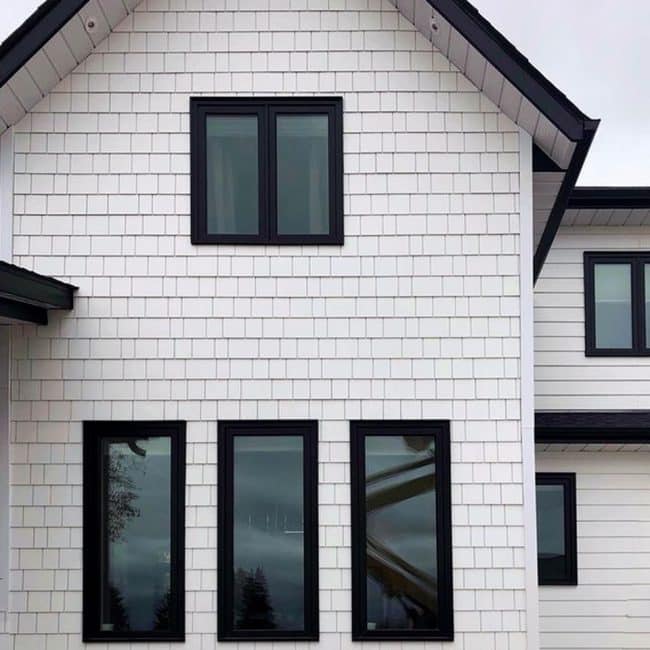
When siding is aging across the entire home, damage is widespread, or energy efficiency and curb appeal have become real concerns, full installation is typically the more cost-effective long-term decision for Minnesota homeowners.
- Siding is 20 or more years old and showing widespread fading, cracking, or warping
- Significant hail or wind damage across multiple elevations of the home
- Recurring moisture issues or rot in multiple areas despite previous repairs
- High heating and cooling costs pointing to compromised insulation or air sealing
- Outdated material such as original wood, T1-11, or aluminum being replaced with modern product
- Insurance claim approved for full replacement following storm damage
FAQs
Questions To ASk Your Siding Contractor before starting
Can you match vinyl siding that is several years old?
Sometimes. It depends on the original product, how much it has faded, and whether the manufacturer still produces that color. Some matches are close enough to be invisible. Others are not, and the honest answer upfront saves the homeowner from a result they are not happy with.
How do I know if my siding damage is covered by insurance?
Hail impact leaves a specific type of damage pattern on siding panels: dents or fractures that follow the storm direction. Wind damage typically shows up as lifted or cracked panels at corners and edges. An inspection with documentation is the first step before contacting your carrier.
What happens if rot is found behind my siding during a repair?
Rot in the sheathing behind the damaged panel means the moisture source has been present long enough to affect the structure beneath the visible surface. The repair scope has to address the sheathing before new siding goes on. How extensive that repair is depends on how long the moisture was present and how far it spread. This is the discovery that most commonly turns a panel repair into a broader project.
what are the different types of siding?
The most common siding options we install include your traditional vinyl siding, engineered wood siding, and fiber cement siding (also known as James Hardie siding, or Hardie Board). Vinyl is known for affordability and low maintenance, engineered wood (see LP SmartSide Siding) offers a more natural look with improved durability, and fiber cement provides strong long term performance in harsh climates.
Will i need to maintain my siding after installation?
We normally recommend basic maintenance, including occasional washing to remove dirt and buildup, inspecting for damage after storms, and keeping gutters and drainage areas clear. These simple steps help preserve both appearance and performance over time, so your home looks as good as it feels for the duration of your time there!
Our Service areas
Stronger Homes. Stronger COmmunities.
Blaine MN
Anoka MN
Andover MN
Circle Pines MN
St. Paul MN
Twin Cities MN
Ham Lake MN
Roseville MN
Fridley MN
Spring Lake Park MN
Arden Hills MN
Hudson WI
Eau Claire WI

Timber exteriors delivers high-quality roofing, siding, windows, gutters, and storm damage restoration for homeowners throughout coon rapids and the surrounding Twin Cities.
© Copyright 2026. Timber Exteriors . All Rights Reserved.