The right solution for your home
Roof Repair Vs Replacement: Which One is right for your home
Is your roof worth repairing?
A Complete guide for coon rapids homeowners
Roof repair makes sense when the damage is isolated, the roof is less than 15 years old, and the surrounding system components are still performing. Full replacement is the right call when damage is widespread, the roof is past the midpoint of its lifespan, or multiple repair cycles have already been done without resolving the underlying issue. Storm damage changes the calculation entirely, because insurance coverage often makes full replacement the more cost-effective path even when a repair might technically be possible.
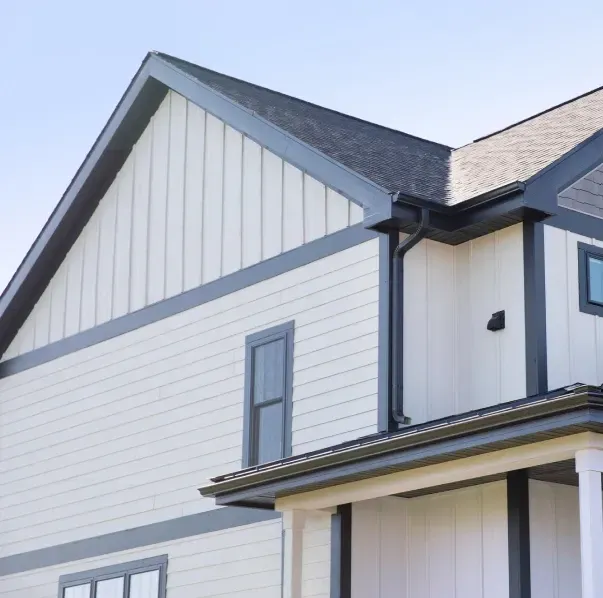
Stronger Homes across central MN and Western WI
Roofing Solutions Built to Last
Clear Communication From Start to Finish: A roof should do more than look good from the street. We focus on roofing systems designed to handle Minnesota weather year after year while helping reduce long-term repair costs.
Roofing Solutions That Age Better Over Time: Small details during installation can have a big impact years later. Our process focuses on preventing common problems like premature shingle wear, moisture buildup, and ventilation issues before they start.
Quality That Starts Before Installation Begins: Even the best roofing materials can fail early if installed incorrectly. Proper ventilation, flashing, underlayment, and drainage all play a major role in how long a roof lasts.
Understanding Age Vs Condition
RepAIR vs Replacement for your roof: A Full Breakdown For Minnesota Homes
If your roof is under 15 years old and the damage is clearly localized, it may be helpful to get a repair quote and a replacement quote side by side and ask your contractor specifically whether the surrounding system will outlast the repair. If your roof is older or the damage is widespread, start with a full inspection that documents decking condition before forming an opinion on direction. If a storm was involved, find out whether the damage qualifies for insurance coverage before committing to either path.
A roof that is 10 years old with isolated damage from a fallen branch is a strong repair candidate. The same repair on a 22-year-old roof with granule loss across most of the surface is likely money spent delaying an inevitable replacement by a year or two.
Understanding the extent of your damage
Damage limited to a handful of shingles in one area, a single pipe boot failure, or isolated flashing separation is typically repairable. Damage that is widespread across multiple slopes, that involves decking rot or soft spots beneath the shingle surface, or that affects system components like valley flashing and ventilation points toward replacement. A contractor who photographs decking conditions and documents what is underneath before recommending a direction is giving you an honest answer. One who recommends the same thing for every roof is not.
When a repair might be the right answer
A roof under 15 years old with a specific, localized failure and a system that is otherwise sound is a legitimate repair situation. Replacing shingles in a clearly defined area, resealing or replacing a pipe boot, or addressing flashing that has separated at a single intersection are all repairs that extend the life of a functional system without the full cost of replacement. This is another reason that it might be helpful to get a second opinion after getting your roof inspected. We encourage you to gather multiple opinions in order to go into your roofing project fully prepared and confident.
When Replacement is the honest solution
Multiple repair cycles without lasting resolution is usually a sign that the system has reached the end of its useful life. Granule loss visible in the gutters across the whole roof, shingles that have lost flexibility, recurring leaks, and are cracking in multiple areas, or decking that shows widespread soft spots or rot all point to replacement. So does any situation where the repair cost represents more than 30 to 40 percent of a full replacement quote, because the math rarely works in favor of the repair.
What if I've recently experienced a hail or wind event?
Each home presents a unique damage situation, and we believe you deserve more than copy and paste sales scripts recommending a full replacement. After an inspection, we tell you what we found, what condition the surrounding system is in, and what direction makes the most sense based on age, extent of damage, and whether insurance is involved. If a repair will hold, we will say so.
What this means for you
How timber exteriors approaches roof replacements
ways we can help:
Provide A Thorough 16-Point Inspection: It’s almost impossible to spot most roofing problems from the ground. Our team walks the entire property, including the attic, to fully inspect the roof, identify any potential risks, and understand the full scope of your property.
Detailed Reporting & Documentation: We capture detailed photos and compile them into a clear report. After the inspection, we explain our findings in simple terms and walk through repair and replacement options so homeowners can make informed decisions without pressure.
Project Planning & Communication: Before work begins, we review timelines, materials, scheduling, and project expectations so homeowners always know what comes next during the process.
Final Walk-Through & Ongoing Support: Once the project is complete, we perform a final walkthrough, answer any remaining questions, and remain available for future support and maintenance needs.
FAQs
Questions to Ask Before Calling
Can I repair just a few shingles instead of replacing the whole roof?
Yes, as long as the damage is truly isolated and the rest of the system is in sound condition. The risk with partial shingle replacement is color matching, since shingles fade over time and new panels rarely match the surrounding aged material exactly. On older roofs this mismatch is visible and worth factoring into the decision. It's also important to choose a contractor that understands the insurance implications, as different materials installed on the same roof could potentially invalidate your matching endorsement through your policy. For specific advice as it pertains to your policy, it's best to contact your agent directly before making a final decision!
How do I know if my roof has storm damage worth filing a claim for?
Hail damage shows up as soft spots or " bruises" in the shingle surface, often following a consistent pattern across each elevation of your home. Wind damage typically presents as lifted or missing shingles, separated flashing, or granule loss concentrated in impact zones. A free inspection from a contractor with storm damage experience is the most reliable way to document what is present before contacting your insurance carrier.
How long does a roof repair typically last?
A well-executed repair on a sound system can last the remaining life of the roof. A repair on a roof that is already near the end of its lifespan typically provides two to five years before the surrounding material begins failing in ways a repair cannot address. Age of the overall system is the most important variable.
Our Service areas
Stronger Homes. Stronger COmmunities.
Blaine MN
Anoka MN
Andover MN
Circle Pines MN
St. Paul MN
Twin Cities MN
Ham Lake MN
Roseville MN
Fridley MN
Spring Lake Park MN
Arden Hills MN
Hudson WI
Eau Claire WI


Timber exteriors delivers high-quality roofing, siding, windows, gutters, and storm damage restoration for homeowners throughout coon rapids and the surrounding Twin Cities.
© Copyright 2026. Timber Exteriors . All Rights Reserved.