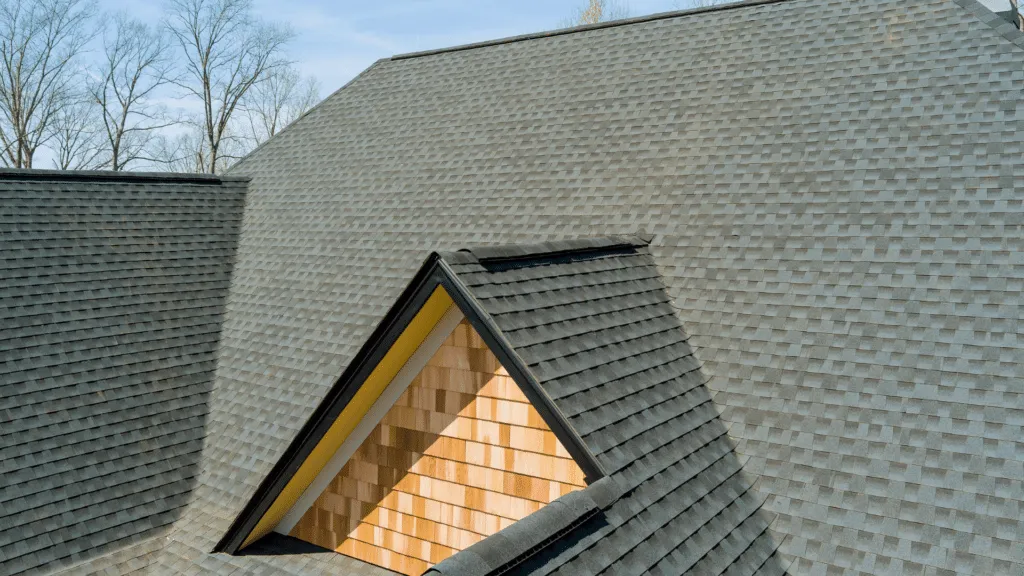
Architectural Asphalt Shingles
Asphalt Shingles: Class 3 Vs Class 4 Impact Resistance Explained
Class 3 Vs Class 4 Shingles
Understanding The difference For Your Home
Architectural asphalt shingles come in two primary impact resistance grades for residential applications in hail-prone areas: Class 3 and Class 4. Class 4 is the higher rating, indicating the shingle has passed a more rigorous steel ball impact test, and in Minnesota it often qualifies for homeowner's insurance premium discounts that partially or fully offset the higher upfront cost. For most homeowners in Coon Rapids, the question is not whether to choose architectural shingles but which impact rating makes sense for their situation.
Stronger Homes across central MN and Western WI
Roofing Solutions Built to Last
Clear Communication From Start to Finish: A roof should do more than look good from the street. We focus on roofing systems designed to handle Minnesota weather year after year while helping reduce long-term repair costs.
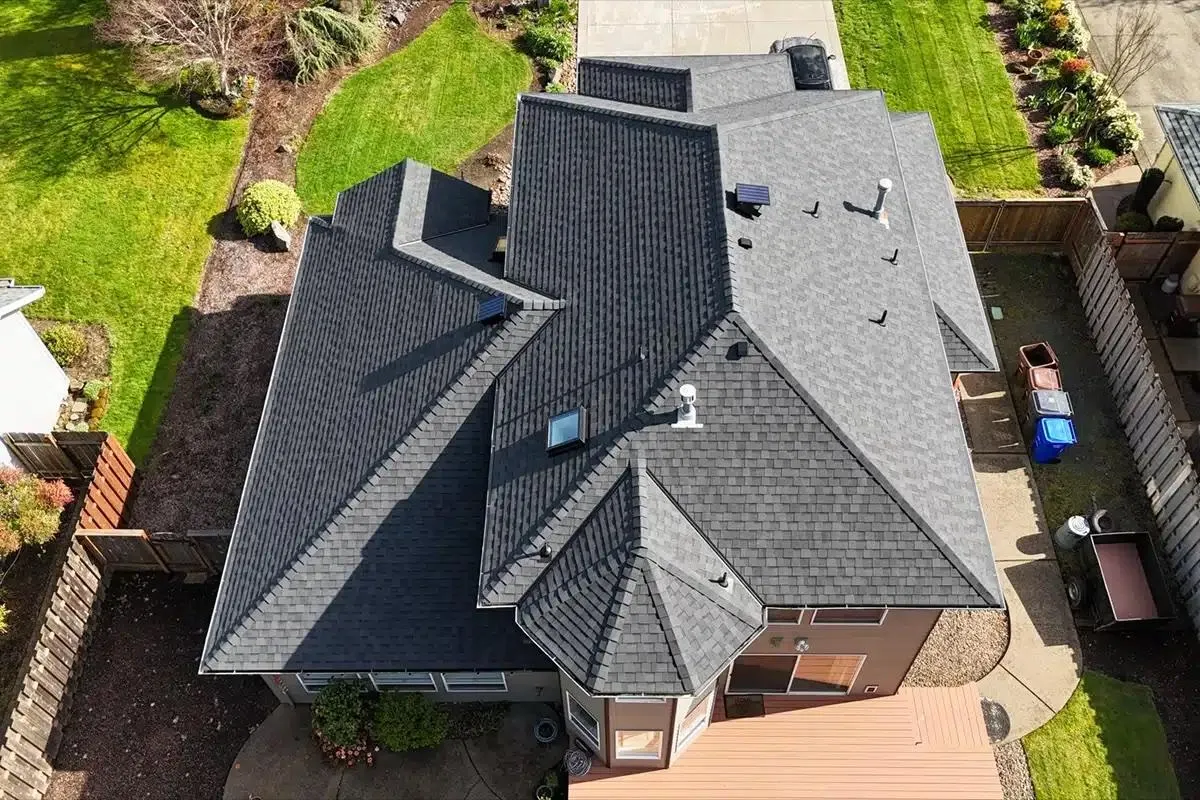
Roofing Solutions That Age Better Over Time: Small details during installation can have a big impact years later. Our process focuses on preventing common problems like premature shingle wear, moisture buildup, and ventilation issues before they start.
Quality That Starts Before Installation Begins: Even the best roofing materials can fail early if installed incorrectly. Proper ventilation, flashing, underlayment, and drainage all play a major role in how long a roof lasts.
The difference in asphalt shingles
Determining the right type of shingles for your family
What Architectural Shingles Are And Why They Replaced 3-tab
Architectural shingles, also called dimensional shingles, are the current standard product for residential roofing. They replaced 3-tab shingles as the baseline because they are thicker, heavier, and have a laminated construction that creates a dimensional appearance and better performance against wind and impact. A 3-tab shingle is a single layer; an architectural shingle is two layers bonded together, which gives it more body and more resistance to the conditions that cause shingle failure.
The Impact Rating System
The Underwriters Laboratories UL 2218 standard tests shingles by dropping steel balls of increasing size from a fixed height and evaluating the resulting damage. Class 1 is the lowest rating. Class 4 is the highest, requiring the shingle to resist cracking or fracturing when struck by a 2-inch steel ball dropped from 20 feet. Class 3 uses a 1.75-inch ball at the same height. The difference in real-world terms is meaningful in hail-prone regions because Class 4 shingles withstand more impact energy without damage.
Possible Insurance discount Qualifications
Many insurance carriers offer premium discounts for homes with Class 4 impact-resistant roofing installed. In Anoka County, where hail activity is meaningful, these discounts can be significant enough to offset a portion of the cost difference between Class 3 and Class 4 products over a few years. Contact your insurance carrier before your installation to ask about available discounts, and confirm the specific products they recognize as qualifying.
Major Manufacturers and What Certification Means
GAF, CertainTeed, and Owens Corning are the three dominant manufacturers of architectural shingles in the residential market. Each has a certified contractor program that unlocks enhanced warranty products not available through uncertified installers. GAF Master Elite, CertainTeed ShingleMaster, and Owens Corning Preferred Contractor are the top tier designations. Enhanced warranty products typically extend coverage on both materials and installation, which is a meaningful difference on a product rated for 25 to 30 years.
How to Decide: Class 3 vs class 4
If your carrier offers a meaningful discount for Class 4 shingles, the math usually favors the upgrade. Calculate the premium reduction over a five-year period and compare it to the cost difference between Class 3 and Class 4 options. In most cases in Anoka County, the upgrade pays for itself within two to four years through reduced premiums. If your carrier does not offer this discount, Class 3 architectural shingles remain a strong product for the application.
What this means for you
How timber exteriors approaches roof replacements
ways we can help:
Provide A Thorough 16-Point Inspection: It’s almost impossible to spot most roofing problems from the ground. Our team walks the entire property, including the attic, to fully inspect the roof, identify any potential risks, and understand the full scope of your property.
Detailed Reporting & Documentation: We capture detailed photos and compile them into a clear report. After the inspection, we explain our findings in simple terms and walk through repair and replacement options so homeowners can make informed decisions without pressure.
Project Planning & Communication: Before work begins, we review timelines, materials, scheduling, and project expectations so homeowners always know what comes next during the process.
Final Walk-Through & Ongoing Support: Once the project is complete, we perform a final walkthrough, answer any remaining questions, and remain available for future support and maintenance needs.
FAQs
Questions to Ask Before Calling
Do Class 4 shingles look different from Class 3?
Not significantly. The dimensional appearance and color range of Class 4 products is comparable to Class 3. The difference is in the construction and material weight, not the visible surface. You are not trading aesthetics for performance when you upgrade.
Are Class 4 shingles worth it on an older home in Coon Rapids?
If the rest of the roof system is being replaced and your carrier offers a discount, generally yes. The product itself performs better in hail events, and the insurance discount compounds over the life of the installation. On a partial repair where only a section is being replaced, matching the existing material is usually the priority over upgrading to Class 4.
How long do architectural shingles last in Minnesota?
25 to 30 years under manufacturer ratings for products installed on a correctly ventilated roof. Ventilation is the variable most homeowners underestimate. Inadequate attic ventilation traps heat and moisture that accelerates shingle degradation regardless of the product's rating.
Our Service areas
Stronger Homes. Stronger COmmunities.
Blaine MN
Anoka MN
Andover MN
Circle Pines MN
St. Paul MN
Twin Cities MN
Ham Lake MN
Roseville MN
Fridley MN
Spring Lake Park MN
Arden Hills MN
Hudson WI
Eau Claire WI


Timber exteriors delivers high-quality roofing, siding, windows, gutters, and storm damage restoration for homeowners throughout coon rapids and the surrounding Twin Cities.
© Copyright 2026. Timber Exteriors . All Rights Reserved.